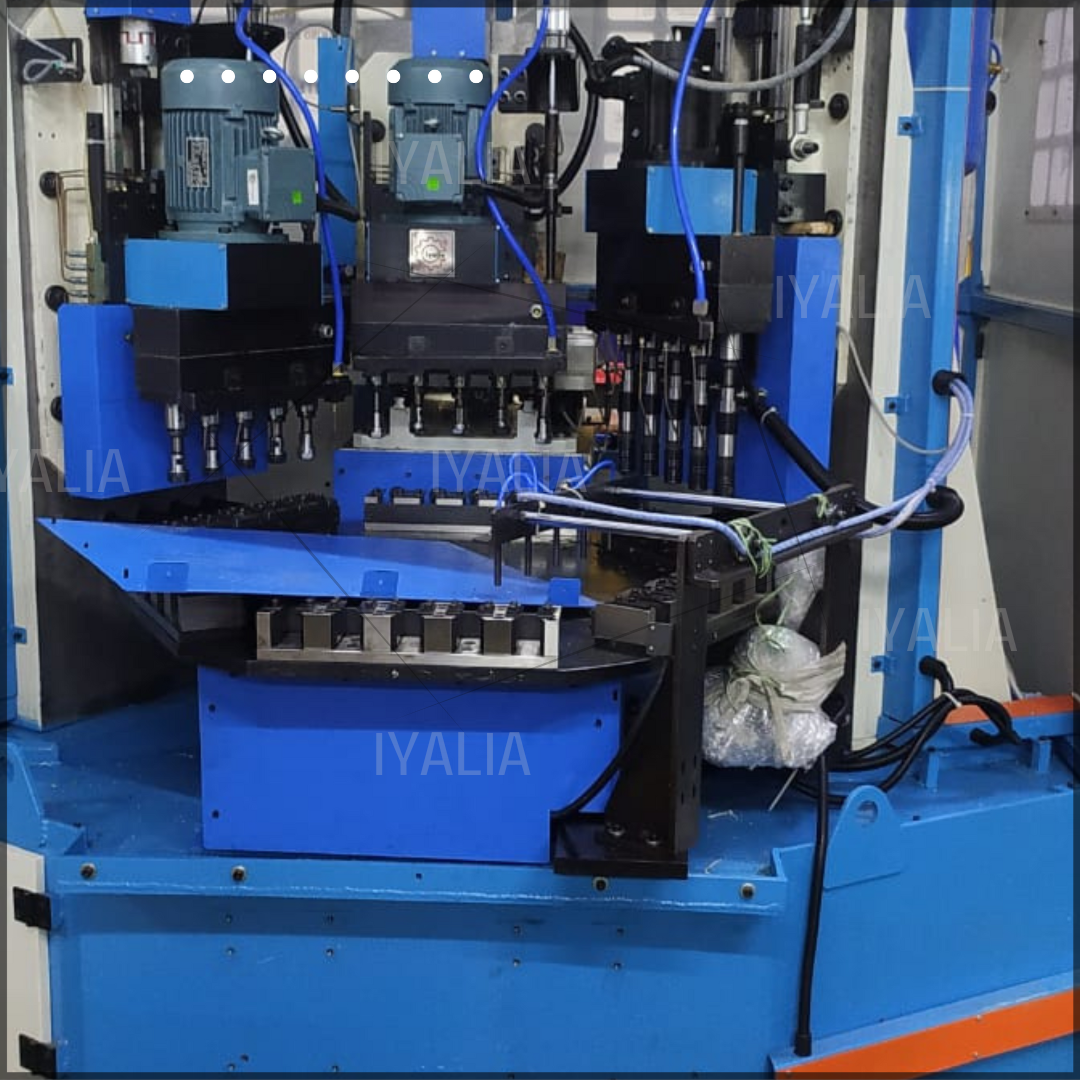
Different Types of Machines and Their Uses
Modern manufacturing offers various drilling and tapping machines, each tailored to specific production needs:
Manual Drilling & Tapping Machines
- How They Work: Operated by hand, using levers and handwheels. The operator controls drill depth and speed.
- Best For: Small workshops, DIY tasks, or lower production volumes.
Conventional CNC Drilling & Tapping Centers
- How They Work: Automated computer numerical control (CNC) systems precisely regulate tool movement, speed, and depth.
- Best For: High-volume, repeatable tasks where precision and consistency are paramount.
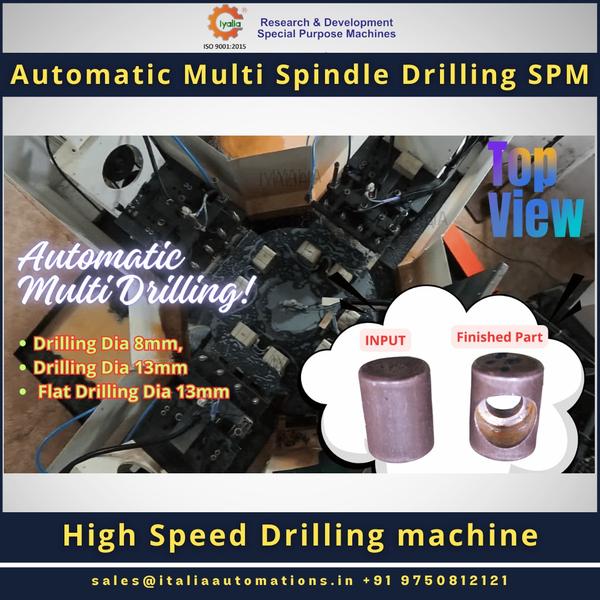
Multi-Spindle Drilling & Tapping Machines
- How They Work: Equipped with multiple spindles running simultaneously. Allows for drilling or tapping multiple holes at once.
- Best For: Large-scale production in industries like automotive, where cycle time and throughput are critical.
Servo-Based Drilling & Tapping Machines
- How They Work: Use servo motors to offer exact control over speed and positioning. This precision minimizes scrap rates and optimizes tool life.
- Best For: Applications demanding very high accuracy, thread consistency, and fast turnaround.
Specialized Nut Tapping Machines
- How They Work: Specifically designed to tap internal threads on nuts. Often multi-spindle and servo-based to achieve high-speed tapping (e.g., 3–4 seconds per hole).
- Best For: Mass production environments where nuts are needed in large quantities.
Choosing the right machine depends on factors such as production volume, material type, hole size, thread specifications, and budget.